

Understanding the psychological triggers that drive gambling behavior
The Role of Emotion in Gambling
Emotions play a pivotal role in gambling behavior. Many individuals are drawn to gambling as a way to escape negative feelings such as stress or anxiety. The excitement associated with betting, whether it’s at a casino or online, can provide a temporary rush that distracts from real-world problems. This emotional high often creates a cycle where individuals gamble to chase these feelings, leading to repeated gambling behavior. For those seeking quality entertainment options, discovering the best crypto casinos no kyc can enhance their gaming experience.

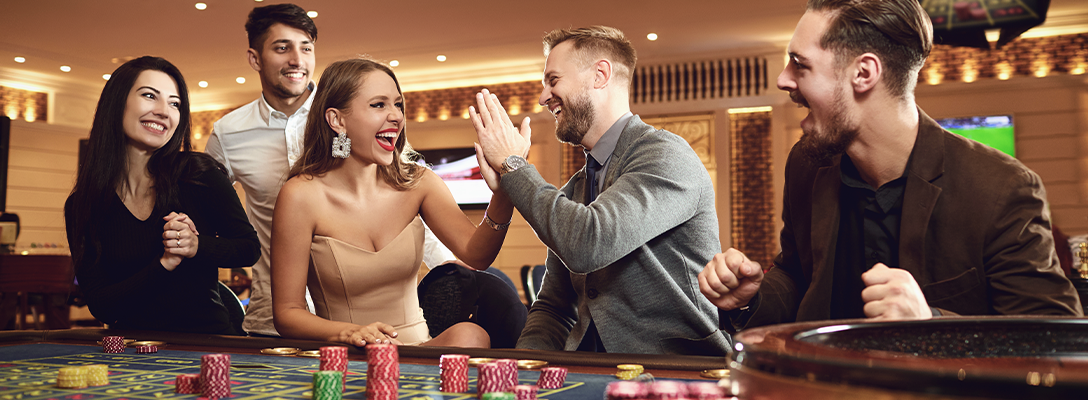
Moreover, the thrill of winning can trigger intense emotions, reinforcing the desire to gamble. When players experience a win, they often feel euphoria, which can lead to a heightened state of arousal. This feeling can be addictive, as the brain associates gambling with positive emotional outcomes. Consequently, gamblers may find themselves returning to the activity even when they experience losses, driven by the hope of recapturing that initial joy.
Understanding the interplay between emotion and gambling behavior is crucial for recognizing why some individuals may develop problematic gambling habits. Emotional triggers can override rational thinking, making it challenging for individuals to set limits on their gambling activities. Recognizing and addressing these emotional triggers can be a significant step in managing gambling behavior more effectively.
The Impact of Cognitive Biases
Cognitive biases are systematic patterns of deviation from norm or rationality in judgment. In gambling, these biases can lead players to make illogical decisions, often overestimating their chances of winning. For example, the gambler’s fallacy—believing that past events influence future outcomes—can perpetuate gambling behavior, as players may feel that a win is “due” after a string of losses.
Another common cognitive bias is the illusion of control, where gamblers believe they can influence the outcome of games of chance. This bias is particularly prevalent in games like poker, where skill and strategy play a role. However, even in games purely based on luck, like slot machines, players may develop a false sense of control, which can lead to excessive gambling.
These cognitive biases can create a cycle of irrational thinking, where individuals continue to gamble despite negative consequences. Understanding these biases can help gamblers recognize their thought patterns and, ultimately, make more informed decisions regarding their gambling behavior.
The Social Influence on Gambling Behavior
Social factors significantly influence gambling behavior, often driving individuals to engage in gambling activities. Peer pressure can lead people to gamble, especially in social settings such as parties or gatherings. The desire to fit in or enjoy social camaraderie can motivate individuals to participate in gambling, sometimes leading to increased risk-taking behavior.
Additionally, cultural norms and societal perceptions regarding gambling can shape individuals’ attitudes toward it. In some cultures, gambling is normalized and seen as a leisure activity, while in others, it may carry a stigma. This cultural context can influence how individuals view their gambling behavior, potentially leading to either moderation or escalation based on societal acceptance.
The presence of role models who engage in gambling can also affect behavior. If individuals observe family members or friends gambling, they may be more likely to adopt similar habits. Understanding the social influences that drive gambling behavior can be key to developing targeted interventions and promoting healthier gambling practices.
The Role of Marketing and Advertising
Marketing and advertising play a significant role in shaping gambling behavior. The gambling industry employs various techniques to attract players, including promotions, bonuses, and advertisements that often portray gambling as an exciting and glamorous activity. These marketing strategies can create a perception of gambling as a low-risk activity, luring individuals to participate without fully understanding the potential consequences.
Moreover, targeted advertisements can reach individuals at vulnerable moments, such as during stressful times, making them more susceptible to the allure of gambling. This strategic timing can amplify the emotional triggers associated with gambling, further entrenching individuals in gambling behaviors. The impact of these marketing efforts can be profound, especially on younger audiences who may not yet possess the experience or knowledge to navigate these temptations effectively.
Recognizing the influence of marketing and advertising can empower individuals to make informed choices about their gambling habits. Awareness of these external pressures can help individuals resist the allure of gambling, leading to more responsible behavior and better decision-making in the face of enticing promotions.
Your Gateway to Responsible Gambling
Our platform offers a comprehensive exploration of the world of gambling, focusing on user privacy and responsible gaming practices. We provide valuable insights into understanding the psychological triggers that drive gambling behavior, helping individuals recognize their patterns and motivations. With a curated list of no KYC crypto casinos, users can engage in gaming experiences that prioritize security and discretion.
Additionally, our resources aim to foster a community that encourages responsible gambling. By understanding the emotional, cognitive, social, and marketing factors that influence gambling behavior, we hope to equip individuals with the knowledge they need to make informed choices. Our commitment to user awareness reflects our belief that gambling can be enjoyed safely when approached with caution and mindfulness.
Join us today to explore a world of secure and enjoyable gaming experiences tailored to your needs. We invite you to dive deeper into the psychology of gambling and discover how to engage in this pastime responsibly and enjoyably.